Why So Many of Us Feel Stuck in Our Careers
Many of us feel stuck in our careers not because we are lazy or incapable, but because our daily effort no longer feels connected to real growth. This article explores why busyness, comfort, unclear direction, comparison, and fear can quietly hold us back—and how small shifts can help rebuild momentum.
By Admin
May 7, 2026
5 min read
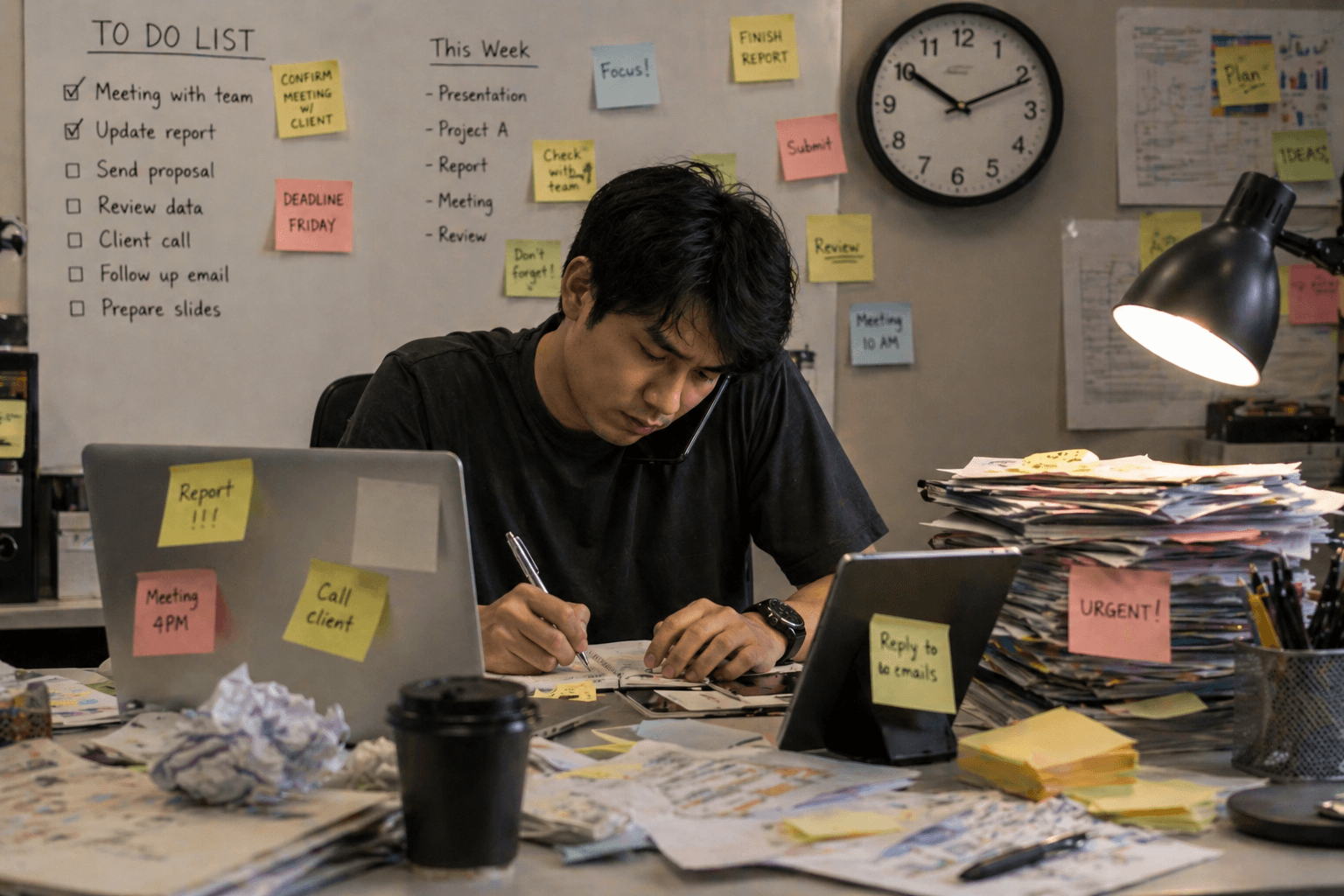
“At some point, we all feel it.”
We show up to work, complete our tasks, and repeat the same routine every day. On paper, everything looks fine. We have a job, an income, and a certain level of stability.
But internally, something doesn’t feel right.
There’s a quiet feeling that we’re not really moving forward. That the effort we put in doesn’t translate into real progress.
No matter how busy we are, our careers still feel like they’re in the same place.
And the confusing part is this:
- We’re not lazy
- We’re not doing nothing
Yet somehow, it still feels like we’re falling behind.
Being Busy Is Not the Same as Growing
“One of the most common reasons people feel stuck is because they mistake activity for progress.”
We can spend years being productive—building portfolios, attending events, completing tasks—without actually improving our position or skills in a meaningful way.
Over time:
- Work becomes routine
- Decisions become repetitive
- Challenges stop evolving
- We get stuck in our comfort zone
At that point, we’re no longer growing—we’re just maintaining. Sometimes, it even feels like we’ve become robots doing the same thing every day.
This is where many careers begin to stagnate. Not because we lack effort, but because our work no longer pushes us forward.
Comfort Slowly Turns Into Stagnation
Comfort isn’t always a bad thing. In fact, it often feels like the goal—stability, predictability, and control.
But over time, comfort can quietly become a trap.
When we stop taking risks, we also stop exposing ourselves to new challenges. When everything feels familiar, there’s less pressure to adapt, learn, or improve.
The problem is, growth usually requires discomfort.
Learning something new, changing roles, switching industries, or asking for more responsibility—all of these involve uncertainty. And most of us naturally avoid uncertainty.
So we stay where we are, even when we know we want something more.
Lack of Direction Makes Progress Invisible
Another reason we feel stuck is simple: we don’t know where we’re going.
Without a clear direction, it’s difficult to measure whether we’re actually making progress. We might be working hard every day, but if there’s no defined goal, everything starts to feel flat.
We move—but we don’t feel like we’re moving forward.
This creates a frustrating loop. The more unclear our direction is, the harder it becomes to stay motivated. And the less motivated we feel, the easier it is to stay in the same place.
Clarity is often underrated, but it plays a huge role in how progress feels.
Our Environment Matters More Than We Think
Sometimes, feeling stuck has less to do with us and more to do with our environment.
A workplace with limited growth opportunities, repetitive tasks, or no clear career path can hold us back—even if we’re capable of more.
If the people around us aren’t evolving, it becomes harder for us to evolve. If the system rewards routine instead of improvement, it encourages us to stay the same.
Over time, this can create the illusion that we are the problem, when in reality, the environment simply isn’t built for growth.
Comparison Quietly Drains Our Motivation
In today’s digital world, comparison is almost unavoidable. Just opening social media for a moment can trigger it.
“It’s harsh—but that’s the reality.”
We see others getting promoted, building businesses, switching careers, or achieving milestones faster than us. Even if we’re doing okay, it can still feel like we’re behind.
What makes this worse is that we’re only seeing the highlights of other people’s journeys.
We don’t see their uncertainty, their failures, or the time it took them to grow. Yet our brain still uses their success as a benchmark.
And when our reality doesn’t match that benchmark, pressure builds. That pressure doesn’t always motivate—it often leads to self-doubt.
Fear Keeps Us in the Same Place
Another big reason we stay stuck is not because we can’t move—but because we’re afraid to.
Feelings like:
- Fear of failure
- Fear of making the wrong decision
- Fear of losing stability
- Fear of starting over
These fears are real and valid. But they can also quietly keep us in situations that no longer help us grow.
Staying feels safer than changing—even when staying leads to long-term dissatisfaction. And the longer we wait, the harder it becomes to take that first step.
It’s Not Always About Skill—It’s About Direction and Momentum
It’s easy to assume that feeling stuck means we’re not good enough. But in many cases, that’s not the real issue.
Many of us already have the ability to grow. What we lack is direction, challenge, or momentum.
We’re capable—but not pushing ourselves. We’re working—but not evolving.
And over time, that gap between effort and progress creates frustration.
Moving Forward Doesn’t Always Require a Big Change
A common mistake is thinking the only way to fix a stuck career is through a drastic move—quitting your job, switching industries, or starting from zero.
Sometimes that’s necessary. But often, progress starts with smaller shifts.
- Learning a new skill
- Taking on different types of projects
- Seeking new challenges within the same role
- Changing how we approach our work
These small adjustments create momentum—and momentum is what breaks stagnation.
Final Thoughts
Feeling stuck in your career is more common than most people admit. It doesn’t always mean we’re failing.
Often, it means we’re ready for something different—but haven’t acted on it yet.
Remember:
Careers are not always linear. Growth is not always visible. And progress doesn’t always happen quickly.
But by staying aware, being honest with ourselves, and stepping outside our comfort zone, things can slowly begin to change.
Because in the end, most of us are not truly stuck.
We’re just waiting for a reason—or the courage—to move.
About Metamorph Lab
Looking for design assets, icon, illustration, UI template and visual inspiration? Visit metamorphlab.co for free and premium creative resources.
More articles
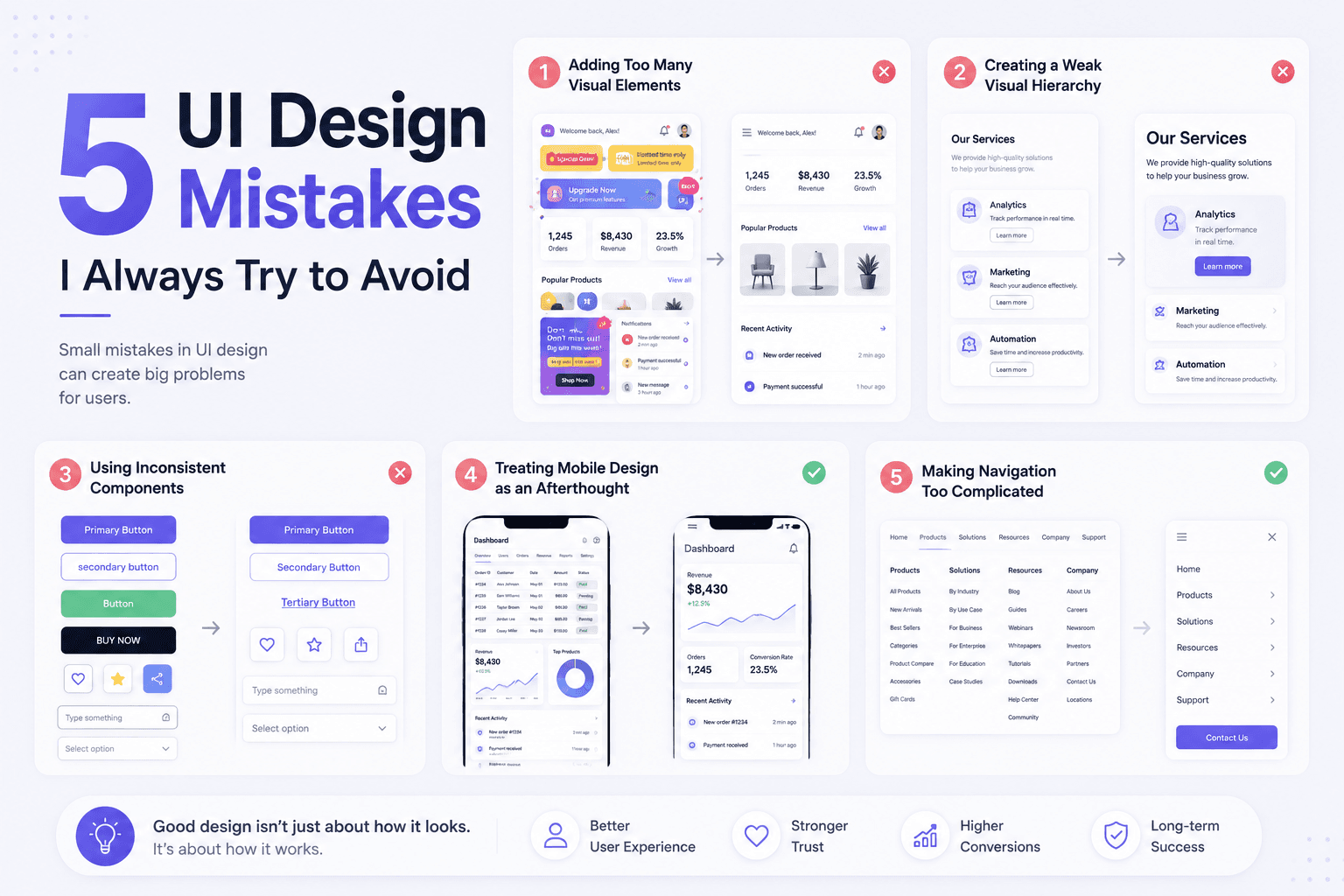
5 UI Design Mistakes I Always Try to Avoid
A beautiful interface is not always easy to use. Here are fi...
By Admin
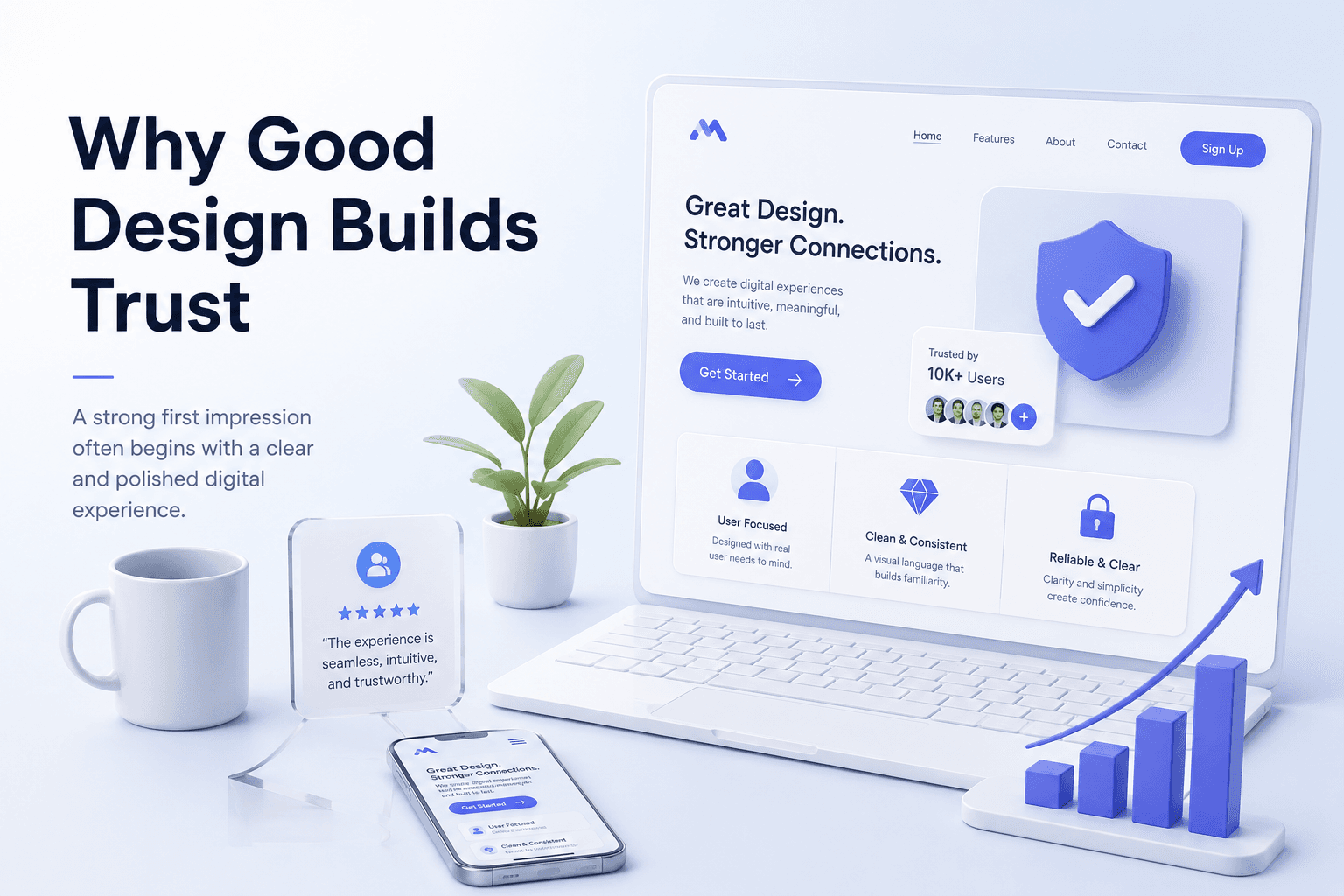
Why Good Design Builds Trust
Good design is more than visual appeal. It helps brands comm...
By Admin
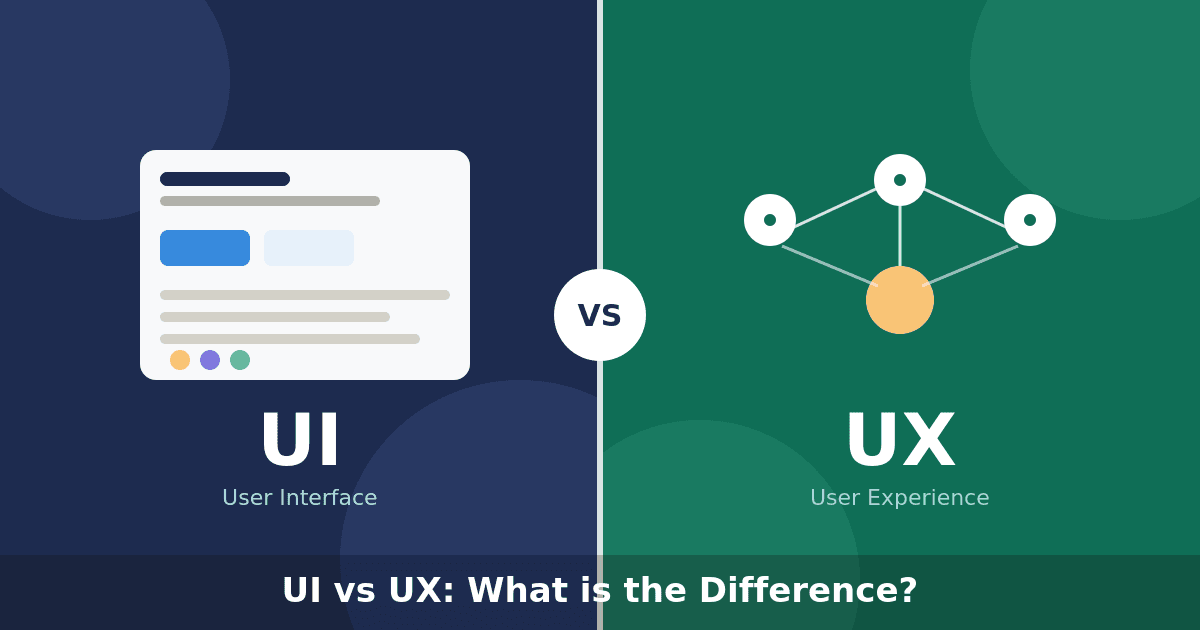
UI vs UX: What is the Difference?
UI and UX are often mentioned together, but they focus on di...
By Admin

Where Is the Line Between Friendly and Inappropriate at Work?
Navigating workplace interactions can be tricky—what starts ...
By Admin